Bathroom Renovation Plumber in Banyo
Every bathroom renovation plumber Banyo homeowners book should treat the pipework as the first trade on site, and Banyo Same Day Plumbing builds its work that way. We handle the rough-in, the fit-off, the testing and the Form 4 paperwork. Every job is done by a licensed plumber, working alongside your builder and tiler rather than around them.
If we're late, $100 comes off your bill

- Licensed and InsuredEvery job done by a licensed plumber. QBCC No: 15024607
- Fixed Quote FirstFlat-rate pricing, agreed before any work starts
- Lifetime Labour WarrantyBacked by our Fix-It-or-It's-Free guarantee (T&Cs apply)
- $0 Call-Out FeesNo extra charge for nights, weekends or public holidays

We quote renovations through most weeks here, from postwar brick-veneer houses to the newest estates. If your reno is still on the drawing board, start with our main Banyo page or the bathroom plumbing overview.
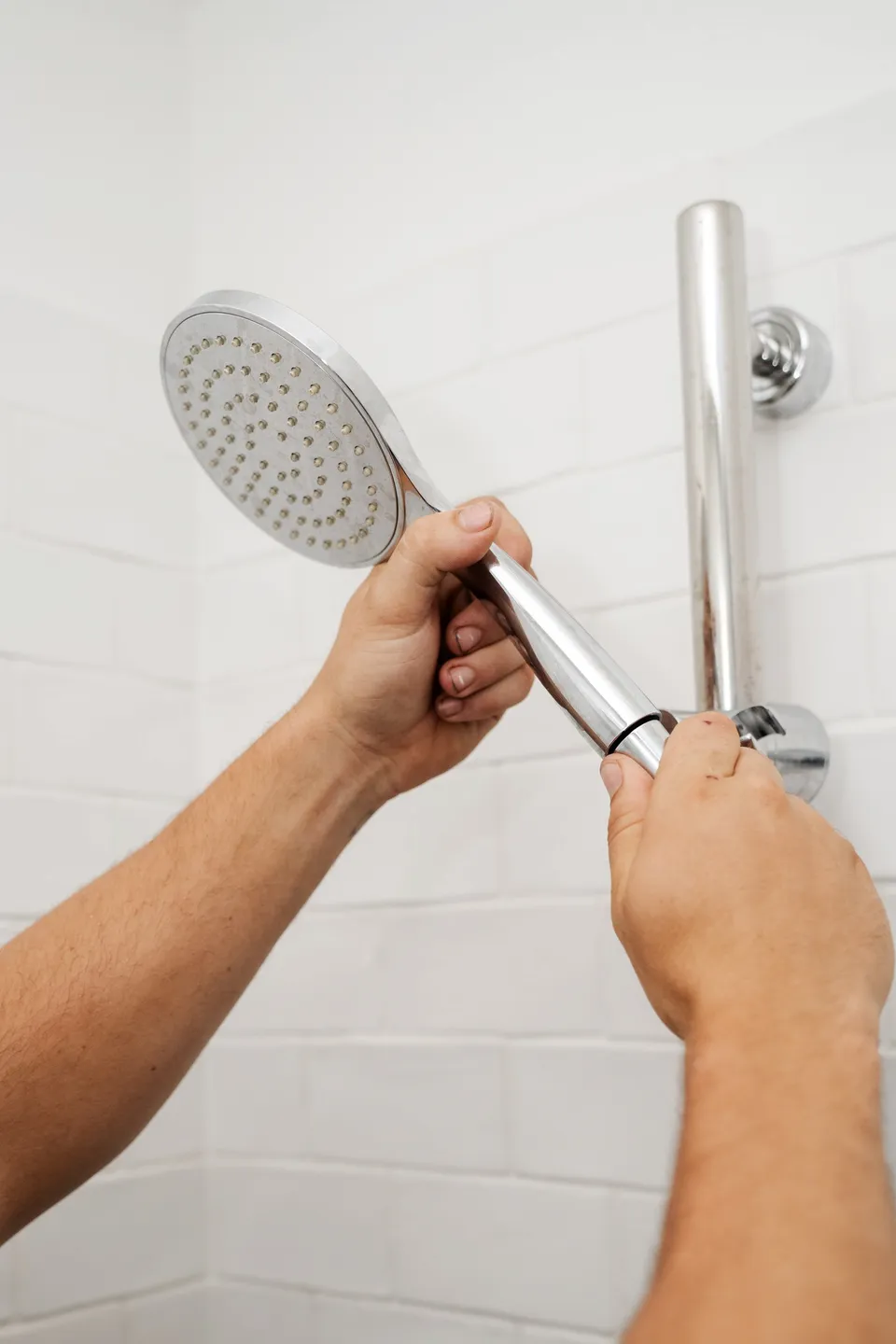
Where the Plumber Fits Among the Trades
The plumbing side of a reno runs through five stages: assess, strip out, rough-in, fit-off, then test and notify.
We come in before demolition to assess the existing pipework and plan where each new fixture will sit. Old fixtures come off and the supplies get isolated. Then comes the rough-in, which sets the fresh supply and waste lines in position while the walls and floors are still open.
Other trades do their work between the two plumbing visits. We return for the fit-off, connecting the basin, toilet and tapware once the tiles and cabinets are in.
The last steps are a pressure test on the new pipework, a leak check on each joint and fixture, and commissioning, where every fixture gets run before handover. The Form 4 lodgement closes it out.
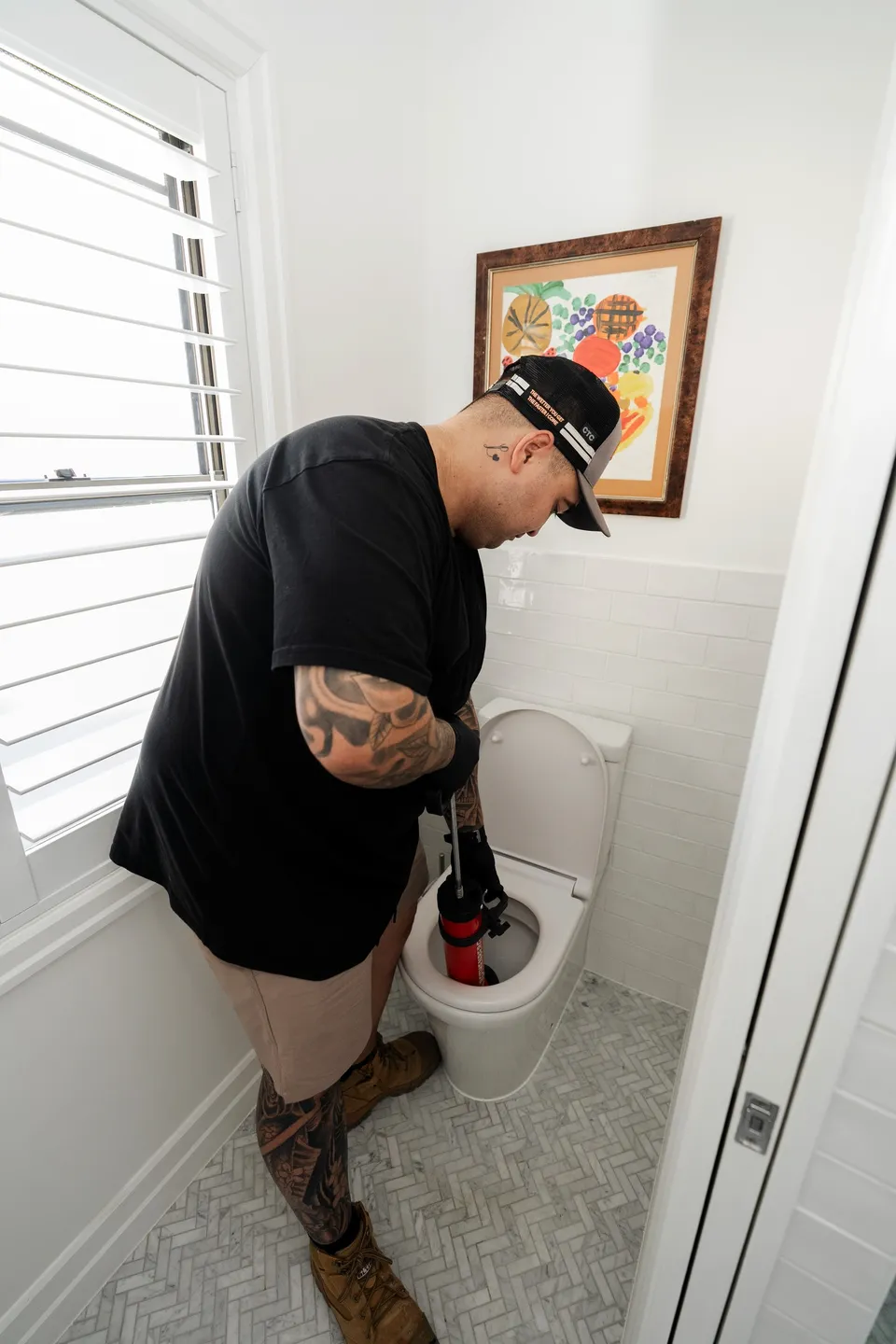
Drain, Floor and Fall Limits on Moving Fixtures
Yes, a toilet, shower or basin can shift, as long as the drain position, the floor structure and the pipe fall all allow it. We check all three before demolition, because a concrete slab means cutting new drain positions, while a timber floor gives more room underneath.
Moving a toilet changes the waste pipework, which counts as notifiable work in an existing house. Enough fall matters too: the waste pipe needs a steady downhill run for water to drain away cleanly. If the fall is not there, the fixture stays closer to where the drain already runs.
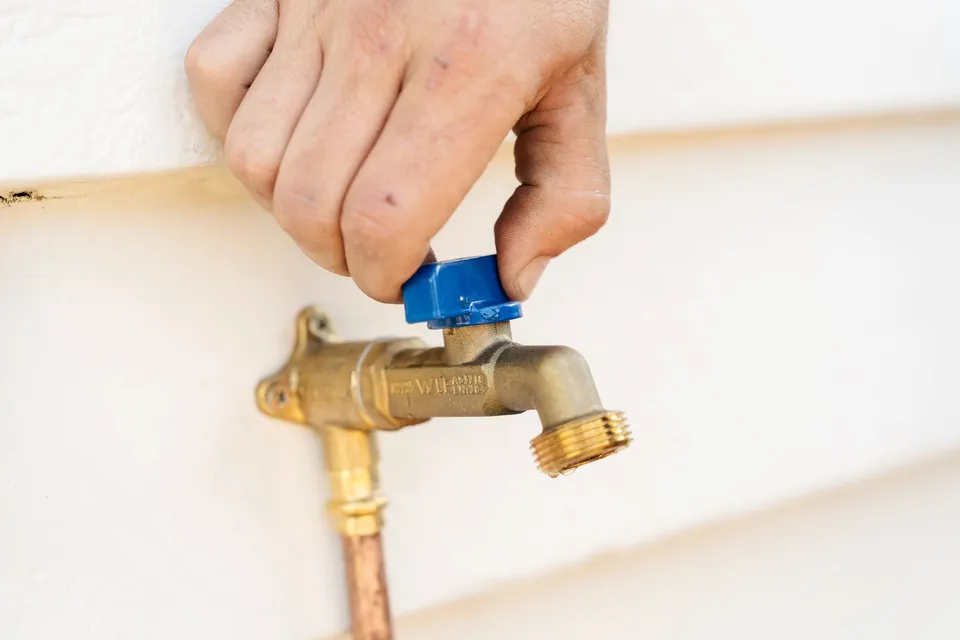
Rules That Shape Your Fixture Choices
Every tap, shower and toilet you buy needs WaterMark certification and registration under the Water Efficiency Labelling and Standards (WELS) scheme before it can legally go in.
Beyond that:
- The minimum star ratings that bind new dwellings do not apply to renovations, so you can keep a favourite fitting.
- A new fixture installed mainly for personal hygiene brings in the temperature control device rule.
- That device keeps water at the outlet at no more than 50°C.
- Installing, replacing or removing one is notifiable work, so it goes on the same Form 4.
Pick your fixtures with those rules in mind and the fit-off runs without surprises. Our vanity and basin installation page covers choosing a new basin in more depth.

What Drives Renovation Plumbing Cost and Time
Four things drive the price and the timeline: how many fixtures move, the condition of the old pipe, how tight the access is, and the paperwork.
Pipe condition is the big variable in this suburb. The pre-1947 houses around the station often have galvanised supply line spliced into copper inside their walls, and those junctions corrode and weep. A reno there usually means replacing the mixed-metal stretches while the walls are open.
The drains tell a similar story. Older streets and postwar blocks still run clay branch lines from the earthenware era, and ground that never fully dries keeps shifting their joints, so reworking those drains adds time to the job.
Paperwork adds its own line. The licensed contractor lodges the Form 4 and pays the fee, and may pass that cost on to you. Most Queensland houses built before 1990 also contain some asbestos, so a reno in one needs extra precautions and may cost more.

Renovating Across the Housing Eras
Banyo mixes 1940s weatherboard, postwar brick-veneer and fresh estates built over the old army and factory land, and each era renovates differently. At the last census, 92.2 per cent of dwellings were detached houses, so nearly every reno we quote is a single-dwelling job with one owner making the calls.
The station-side weatherboard homes, along streets like Gold Street, are the ones that test a renovation budget. Their plumbing has been patched across decades, and hot water tanks were bolted into feeds far older than the units themselves. Stripping those bathrooms back often reveals supply and waste lines that all need renewing, which is best done during a reno rather than after the tiles go on.
Newer work in the modern estates is simpler, and shower repairs after handover are usually small jobs.
How We Work on Your Renovation
- 1

Call or message us
Ring (07) 3523 6417 or use the form and describe what's going on in Banyo. A few details up front mean the right gear comes on the first trip.
- 2

Assess the room and the pipework
We measure the room, trace the existing supply and waste lines, and check the drain positions, the floor structure and the fall before anything comes off the wall. You get a plan of the plumbing stages and where each fixture can realistically sit.
- 3
Fixed quote, then the work
We give you a fixed quote before any work starts. It's flat-rate pricing with no hidden fees, and we only start once you approve it.
- 4

Settle up your way
Card and EFTPOS payment on site when the job's finished, or Fix now, pay later if that suits you better.
Plumbing job in Banyo?
$0 call-out fees, available 24/7, and same-day where we can.
Bathroom Renovation Questions From Banyo
Call (07) 3523 6417Do I need a licensed plumber for a bathroom renovation?
Yes, Queensland law requires one. Renovation plumbing in an existing home is notifiable work, reserved for a licence holder who also lodges the Form 4 with the QBCC and hands you a copy.
Does a bathroom renovation in Banyo need a council permit?
No, ordinary notifiable work in a standing house needs no council permit. Permit work applies only where the property shares a drain with others or runs on two separate water supplies. Apartment owners should check with the plumber, since some apartment jobs need a local government permit.
What do rough-in and fit-off mean in a Banyo renovation?
Rough-in is the stage that positions supply and waste pipes before the wall and floor linings go on. Fit-off connects the fixtures and tapware after tiling and cabinetry are finished.
How much does bathroom renovation plumbing cost?
Four things set the price: how many fixtures move, the state of the old pipe, how tight the access is, and the paperwork. The Form 4 lodgement fee may pass to you. We give you a fixed quote before any work starts.
How do I check my plumber lodged the Form 4?
The QBCC's online registers show whether a Form 4 has been registered for your address. You can also request a copy from the QBCC, and the plumber owes you one within 10 business days of finishing.

Call Us About the RenovationWe'll call you back.
Phone (07) 3523 6417 for a licensed plumber in Banyo. We work under QBCC No: 15024607, with flat-rate pricing, no hidden fees and same-day where we can.
To claim your $0 call-out fee, call (07) 3523 6417 today.