Why Your Toilet Keeps Running
A running cistern quietly adds to your water bill, and the culprit is nearly always one of three worn parts. This guide explains why a toilet keeps running, how to pinpoint the failed part, and where Queensland law draws the line on home owner repairs. Banyo Same Day Plumbing sorts these faults across Banyo most weeks, and every job is done by a licensed plumber.
If we're late, $100 comes off your bill

- Licensed and InsuredEvery job done by a licensed plumber. QBCC No: 15024607
- Fixed Quote FirstFlat-rate pricing, agreed before any work starts
- Lifetime Labour WarrantyBacked by our Fix-It-or-It's-Free guarantee (T&Cs apply)
- $0 Call-Out FeesNo extra charge for nights, weekends or public holidays
Why the Cistern Never Stops Filling
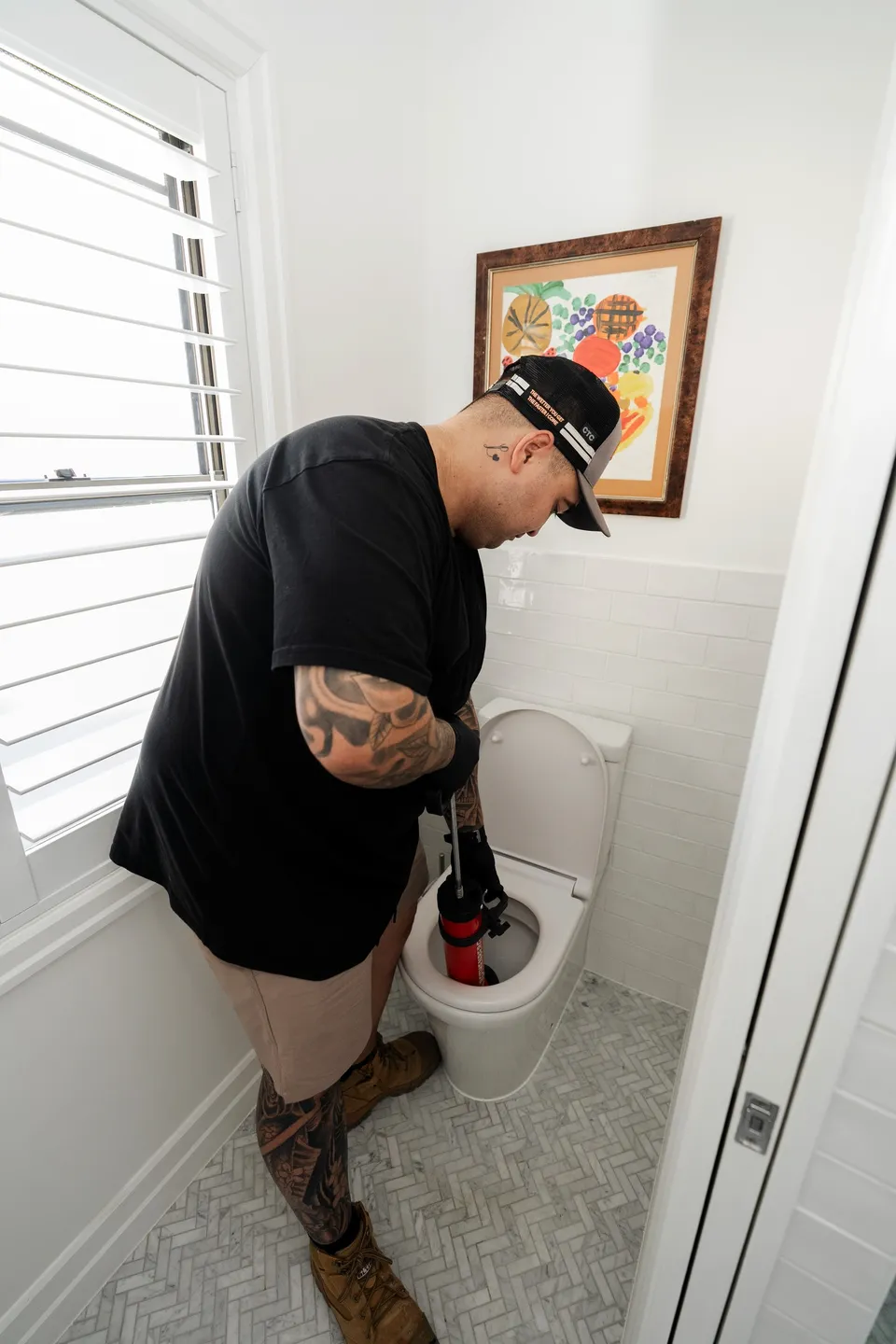
A cistern that never stops filling has three causes: an inlet valve jammed open, a flush valve seal that has perished, and a fill level set above the overflow pipe. Each cause leaves its own clue.
The inlet valve tops the cistern up after each flush and shuts off once the float hits its mark. The flush valve, also called the outlet valve, is the gate holding that water back until you press the button. The overflow is a standby drain that dumps surplus water outside instead of onto your floor.
Watch and listen for these signs:
- A hiss that carries on after the tank has refilled means the inlet valve is failing to close.
- The cistern refilling by itself every few minutes, or a trickle down the pan's back wall, means the flush valve seal has perished.
- Water dribbling from the overflow pipe outside means the level is climbing past its mark, so the float or the inlet valve needs adjusting.
Houses near Apperley Street, where St Pius' Primary opened in 1947, are postwar builds whose bathrooms have cycled through cisterns from every decade since. The valves tire first, then the seals.

When the Cistern Will Not Fill
A cistern that fills slowly or stays empty usually comes down to the inlet valve wearing or clogging, a float set too low, or a partly closed stop tap. Rule out the stop tap first, because a half-open tap starves everything downstream of it.
The strange case is water running while the level never climbs. The flush valve seal is letting water out at the same rate it arrives, so the cistern cannot fill.
The newer estates on former army and factory land, Couture and Summerlin among them, carry younger cisterns, but sediment clogs their inlet valves just the same. A slow fill is not only an older-house story.
Where Home Owner Toilet Repairs Stop
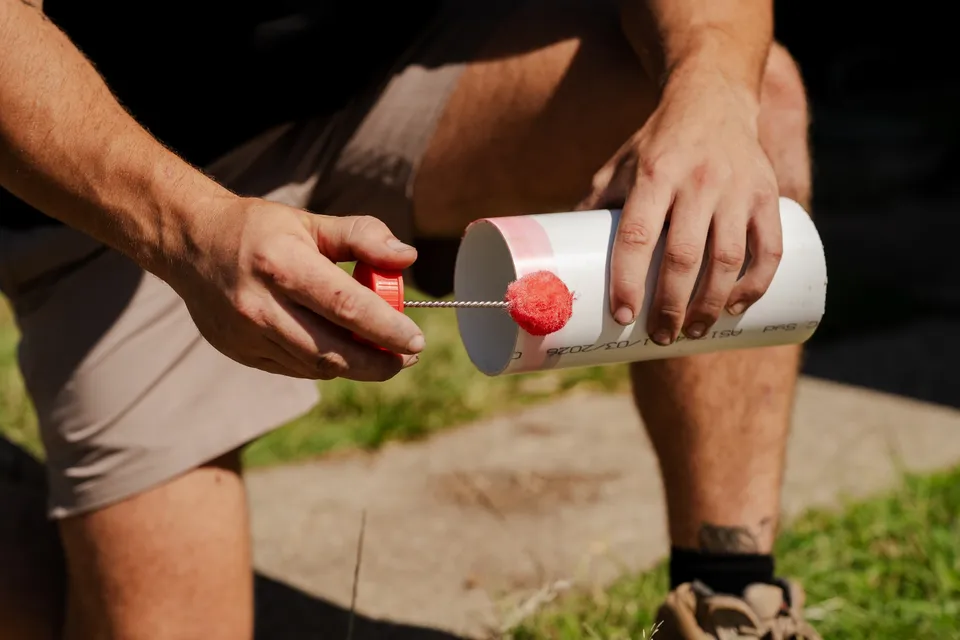
The QBCC names three parts inside a cistern as unregulated work: the drop valve's washer, the float valve's washer and the suction cup's rubber. Anyone competent may repair or replace those three, without needing a licence, approval or report, though the finished work must still satisfy the standards.
Every other toilet job is minor work under the QBCC's categories, done by a licensee, and this category skips the permit and the Form 4 paperwork. We give you a fixed quote before any work starts, so the boundary is clear before anyone opens the lid.
Under the Residential Tenancies and Rooming Accommodation Act, the owner or manager of a rental keeps the place in good repair. The tenant reports the fault as soon as possible so a visit can be booked.
Check for a Silent Leak With Food Colouring
Run the dye check like this:
- Add food colouring to the cistern until the water is clearly tinted.
- Don't flush. Give the colour time to travel.
- Colour appearing in the bowl means the cistern is draining into the pan unseen, past the flush valve seal.
- Flush to finish. The dye will not mark a ceramic bowl.
A clear bowl tells you the flush valve is holding, so check the inlet valve and the fill level next.
No dye at home? Press a strip of dry loo paper against the pan's back wall, above the waterline. Dampness on that strip means a hidden trickle and a leaking toilet.

Who Pays for Water a Cistern Wastes
No, Urban Utilities will not cover it. The utility offers a concealed leak adjustment, but leaking cisterns sit outside it, as do leaking taps, hot water systems and other water appliances. Leaks on the property side are the owner's problem, and so is the cost of the water they waste.
A running cistern pushes the bill up a little every day, and no adjustment arrives to cover it. Fixing the fault early stops the bleed.
When to Hand It to a Plumber
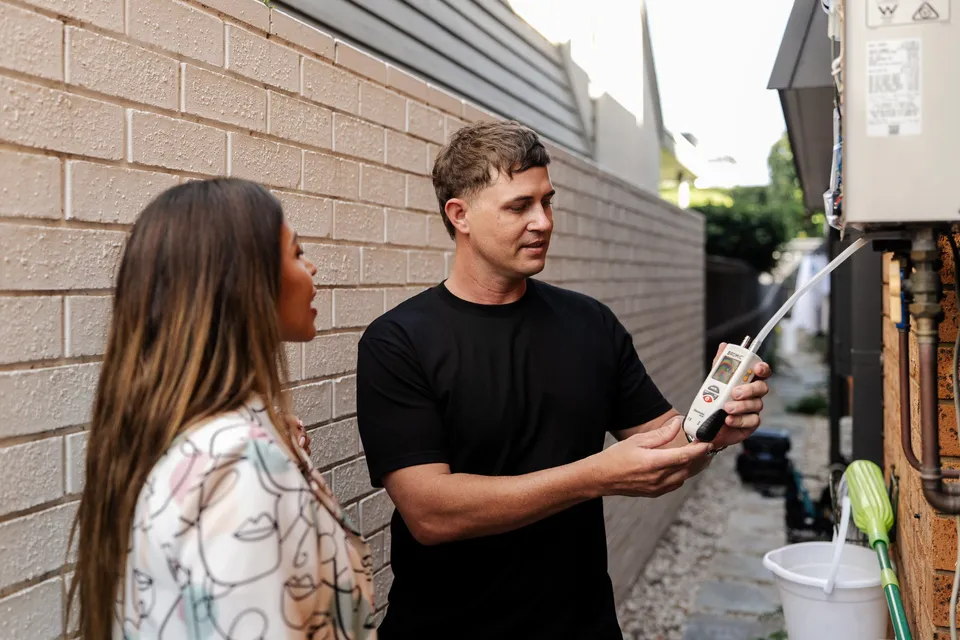
Ring (07) 3523 6417 once the dye check shows colour, or when a toilet keeps running for days on end. Our toilet repairs page covers the repair side, from valve and seal work through to full cistern replacements.
Tenants get a different path. The tenancy Act lists a blocked or broken loo as an emergency repair, but a running cistern is absent from that list. The fault counts as routine, fixed within a reasonable time once reported.
Owners get the same calm route either way. Describe the sound, book a visit, and the fault gets named on the spot.
Running Toilet Questions in Banyo
Call (07) 3523 6417Why won't my toilet cistern fill in Banyo?
Usually the cause is the inlet valve, the float height or the stop tap. A valve that has worn or clogged fills slowly or not at all, a low float shuts the water off early, and a tap half-turned limits the flow. Water that runs while the tank stays empty points to the flush valve seal instead.
Will food colouring stain my toilet bowl?
No, the colouring leaves no mark on a ceramic bowl. A flush afterwards removes every trace. Do the check with no flush first, so the result is trustworthy.
Can I fix a running toilet myself in Banyo?
Yes, but only within narrow limits. Queensland's regulator allows a competent person to swap the washer in the drop valve, the washer in the float valve and the rubber in the suction cup, and the result must still reach the standards. Every other toilet repair needs a licensed plumber.
Does Urban Utilities cover a running toilet in Banyo?
No, the utility's adjustment for concealed leaks excludes cisterns, taps, hot water systems and appliances, so a running loo does not qualify. The owner of the property carries the loss, because leaks on that side of the meter are the owner's responsibility.

Ring Us About the Running LooWe'll call you back.
Phone (07) 3523 6417 for a licensed plumber in Banyo. We work under QBCC No: 15024607, with flat-rate pricing, no hidden fees and same-day where we can.
To claim your $0 call-out fee, call (07) 3523 6417 today.