How to Find a Water Leak
A bill that jumps though your habits have not changed is the clue that starts most hunts, and the meter settles it in one sitting. Working out how to find a water leak takes an hour of waiting and a slow lap of the property, nothing more. Every job we attend is done by a licensed plumber, and we are through Banyo most weeks.
If we're late, $100 comes off your bill

- Licensed and InsuredEvery job done by a licensed plumber. QBCC No: 15024607
- Fixed Quote FirstFlat-rate pricing, agreed before any work starts
- Lifetime Labour WarrantyBacked by our Fix-It-or-It's-Free guarantee (T&Cs apply)
- $0 Call-Out FeesNo extra charge for nights, weekends or public holidays

Two local quirks sharpen the search. The oldest houses near the station still run steel supply pipe, and when a threaded joint lets go in ground that stays wet, the lawn goes soft before anything shows indoors. The meter test below catches that case as surely as a dripping tap.
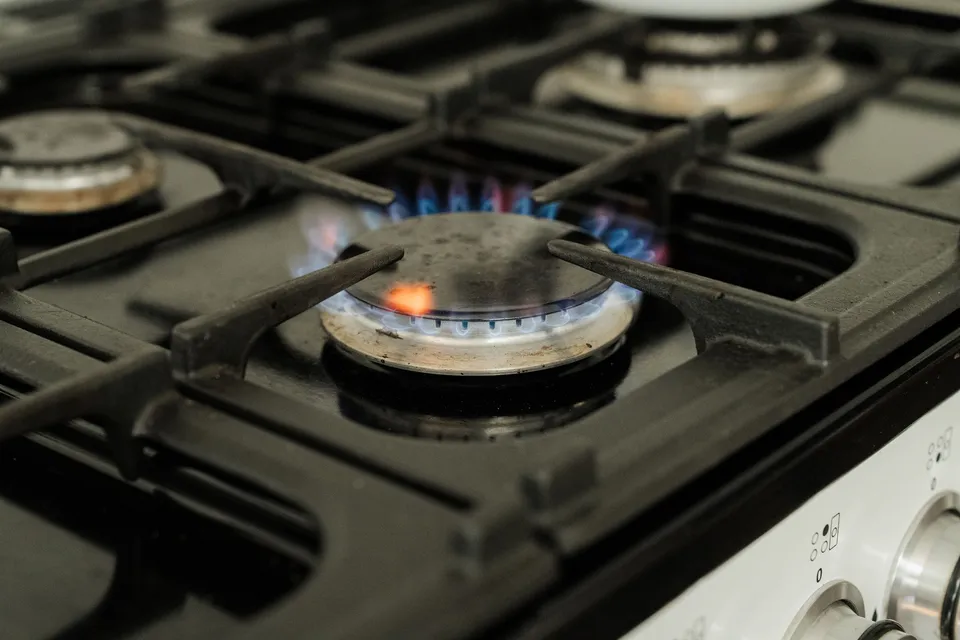
Rule a Leak In or Out at the Meter
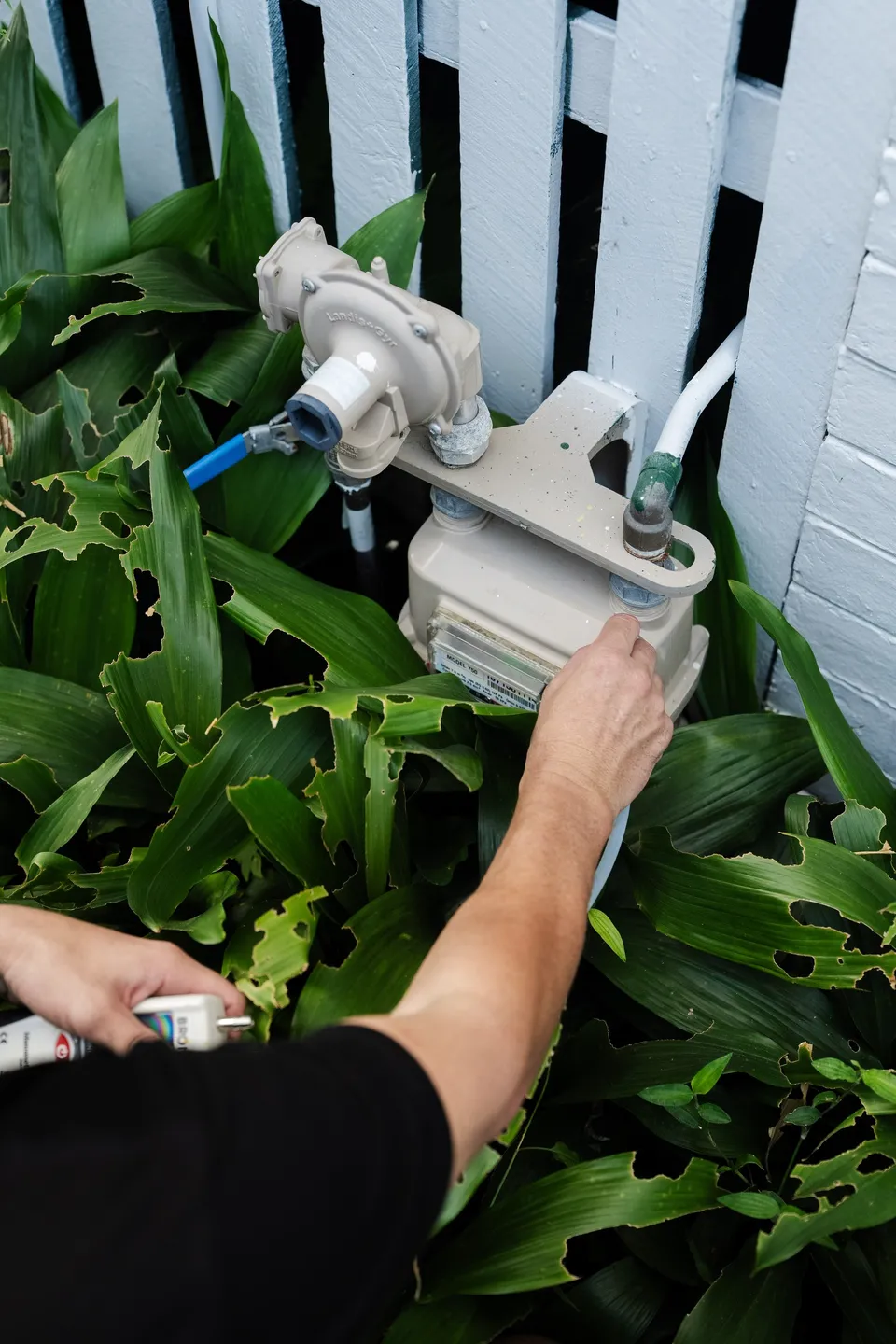
Start by switching off everything that draws water: taps, hoses, laundry and kitchen appliances, a plumbed-in fridge, irrigation. Photograph the meter's numbers, red digits included, and keep the supply tap at the meter open.
Come back after an hour or more in which nothing on the property used a drop, and read the figures again. A moved number or dial means water is escaping on your side of the connection.
The meter itself lives in a small box set flush with the ground, near the boundary, usually in the verge or the footpath. Pop the lid, take the photo, and let the hour run.
Two notes on what the result means:
The figures moved
there is a leak, and the next step is a licensed plumber.
The figures held
your use is genuine, and the bill has another explanation.
One more thing worth knowing. Urban Utilities runs a program that flags unusually high use and rings customers where possible, but the utility says not to lean on that service. Reading your own meter is the dependable check.
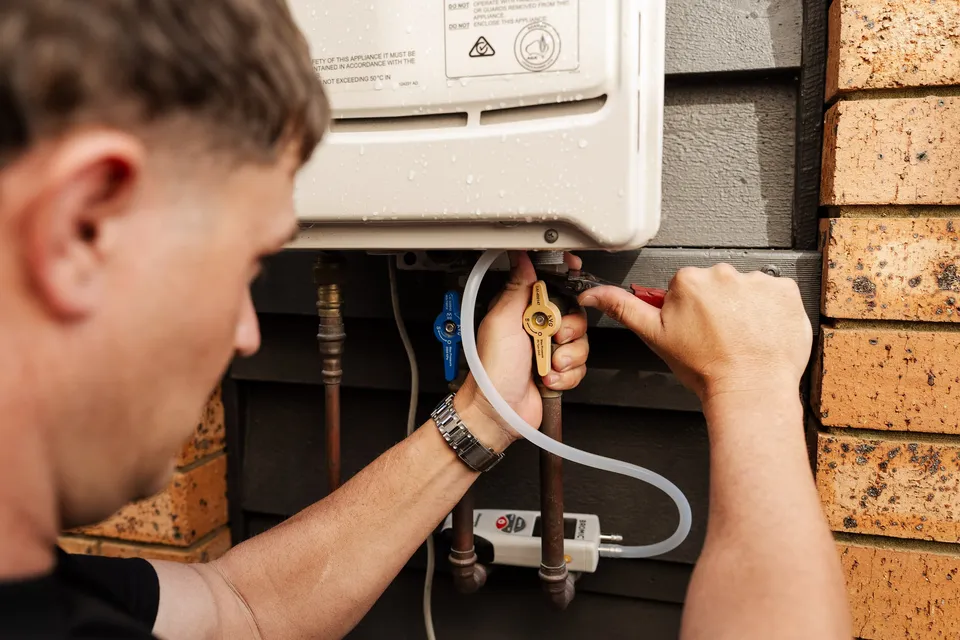
Taps, Tanks and Wet Ground Outside
Outside, check the garden taps and their hose fittings, any rainwater tank, and the lawn for patches that stay soaked or oddly lush.
Taps and hoses
one slow drip from a hose tap can drain thousands of litres in a single summer. Run a finger under each spout and look for white scale.
Rainwater tanks
a tank with a mains top-up can keep refilling itself after a solenoid or internal part fails, so a full tank can mask a fault. That valve is one for a licensed plumber.
The ground
soggy soil, lawn that goes oddly green or spongy, and paving lifted out of level all fit a leak below the surface.
Homes with a pool get one extra test, and it needs nothing but a bucket. Fill it with pool water, stand it on a pool step level with the surface, and mark both levels. A day later, with nobody swimming, compare the marks: a pool that fell further than the bucket is losing water, and matching falls are evaporation.
Flat ground between the two creeks makes the lawn read like a gauge here. Water leaving a buried pipe soaks straight down into soil that is rarely dry, so a spongy patch deserves a second look.
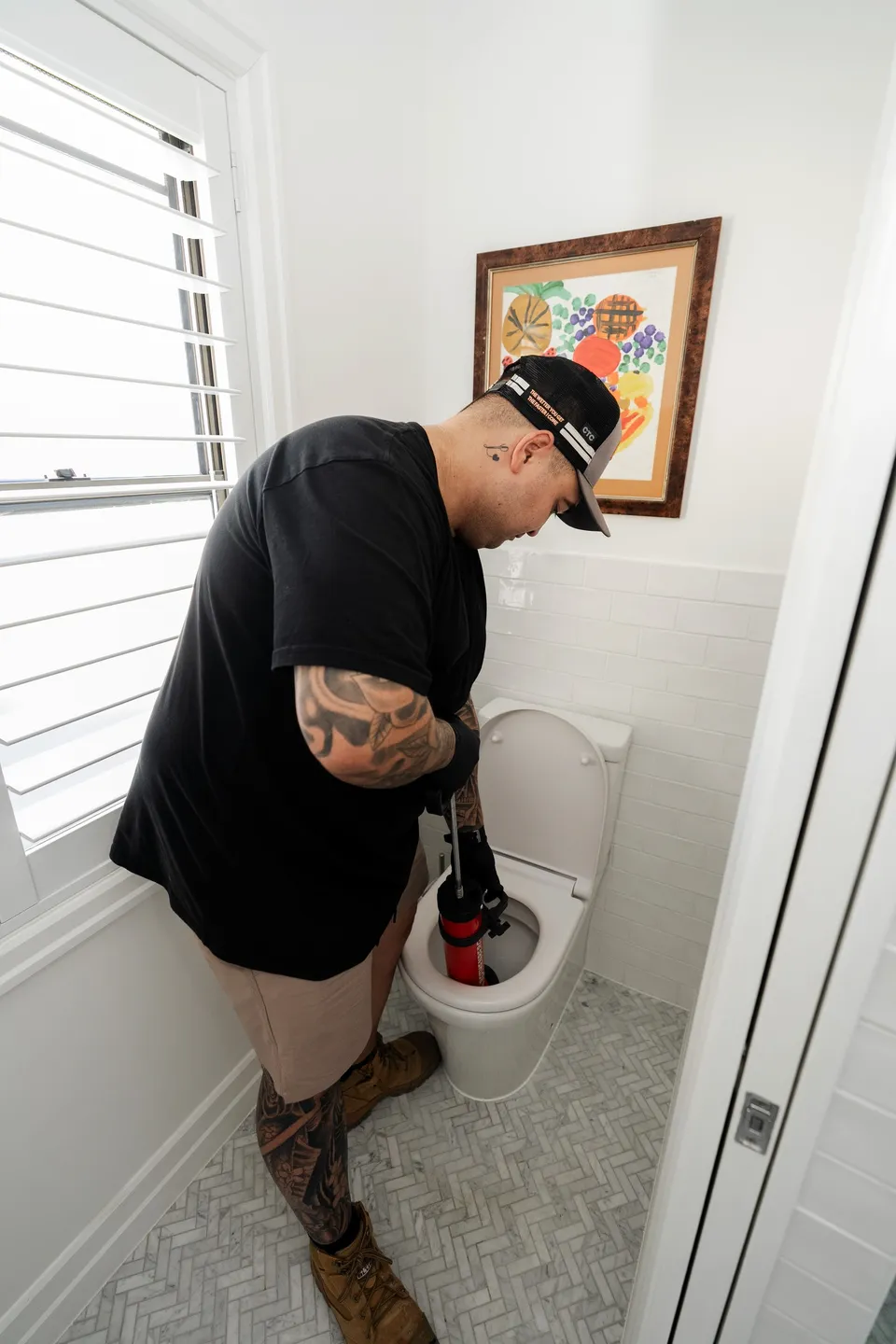
Room by Room Inside the House
Indoors, begin at the toilets, check the taps and showers next, then the plumbed-in appliances, and finish on walls, ceilings and floors.
Toilets
lift the cistern lid, add several drops of food colouring, and leave the loo unflushed. Colour reaching the bowl shows the cistern leaks; flush afterwards, since the dye leaves ceramic unmarked.
Taps and showers
confirm each one closes fully and leaves no weep at the spout or the wall plate.
Appliances
look for damp or drips where the fridge and the hot water system connect.
Surfaces
damp patches or staining on ceilings and walls, a musty odour, finishes that swell or peel, and a floor spot that feels warm are the classic inside signs.
The renovated homes near the station add one more place to look. Copper often meets old galvanised pipe directly inside a wall there, and that junction is a quiet weeper. A stain low on weatherboard near a bathroom deserves a close look.
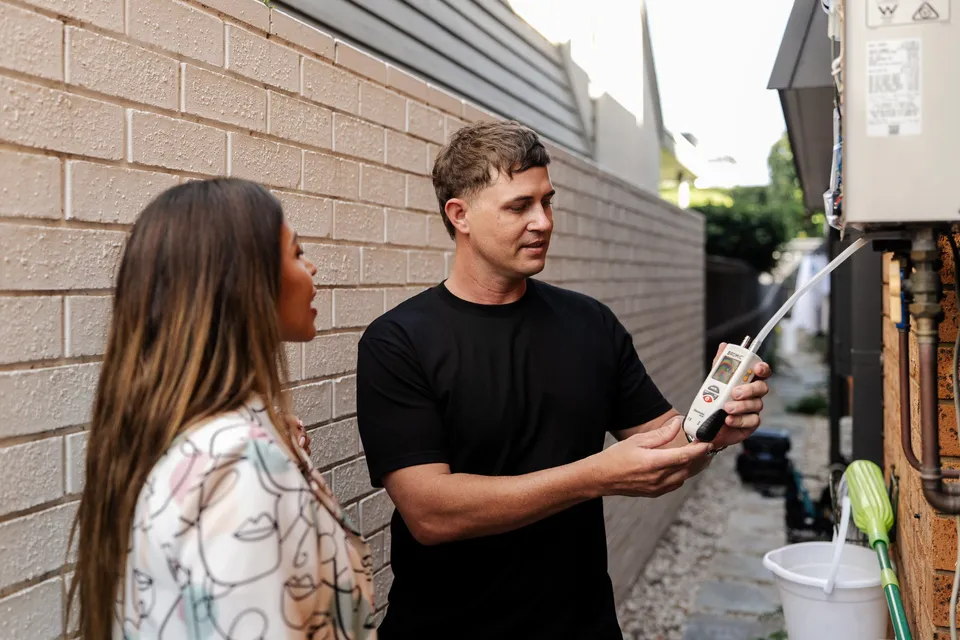
What the Search Tells You
Two outcomes close the hunt: a visible drip at a tap, toilet or fitting is the likely culprit, and a still-turning meter means the leak sits out of sight. Out of sight means under soil, beneath paving or inside a wall. A leak hidden that way can lose thousands of litres daily and stay invisible until damage or a soaring bill forces the issue.
Who repairs it is settled by rule. Urban Utilities maintains the street mains and the sewer, and the pipes from the meter onto your land are yours to maintain. Fixing a damaged pipe counts as minor work, which a licensee must do, with no permit needed and no Form 4 lodged.
The QBCC's unregulated list is short: a tap's washer or jumper valve, the washers inside a cistern, a shower head, a filter cartridge. Pipe repairs sit well past that list, so they are a licensed plumber's work.
When to Call a Plumber
Ring once the meter confirms a leak you cannot see, or the moment a wall, ceiling or floor turns damp. A licensed plumber re-checks the meter, isolates sections of pipework, pressure-tests each one, listens along the run and reads moisture before opening anything. The leak detection page covers that process and how the bill side of a concealed leak works.
Ageing drains add some urgency. Streets laid out early and the postwar blocks still run clay branch drains from before PVC. Ground that never quite dries keeps shifting those joints, and the longer a buried leak runs beside an old drain, the more digging the repair tends to need.
Hidden Leak Questions From Banyo
Call (07) 3523 6417What if my meter moves but I cannot find anything?
A hidden leak can sit under soil, below a drive or within a wall, so a clean search proves little. Urban Utilities stops at the street mains, so the pipes on your land are your responsibility. The leak detection page explains how the rest of the hunt works.
Can a hidden leak sit under a slab in Banyo?
Yes, it can. Concealed leaks hide below ground, under paving and inside walls, and much of this suburb sits on reactive clay that shifts buried joints. The station-side houses add old steel supply line that weeps at its threaded joints.
How do plumbers find a leak I cannot find?
Plumbers confirm the leak at the meter first, then isolate sections of the pipework and pressure-test them one by one. Listening along the run and reading moisture come next, before any wall or slab gets opened. The leak detection page holds the detail.
Can I fix a hidden leak myself?
No, you cannot. Fixing a damaged pipe is minor work reserved for a licensee, and neither a permit nor a Form 4 applies. The QBCC's unregulated list lets an owner swap a washer or jumper valve in a tap, the washers in a cistern, a shower head or a filter cartridge, and nothing more.

Call Us About the HuntWe'll call you back.
Phone (07) 3523 6417 for a licensed plumber in Banyo. We work under QBCC No: 15024607, with flat-rate pricing, no hidden fees and same-day where we can.
To claim your $0 call-out fee, call (07) 3523 6417 today.