Repiping Old Pipes in Banyo
Repiping Banyo homes is work we take on when repairs stop holding. A repipe means swapping old water supply pipework for new pipe, either across the whole house or one stage at a time. Banyo Same Day Plumbing sends licensed plumbers, gives you a fixed quote before any work starts, and is available 24/7, 7 days a week.
If we're late, $100 comes off your bill

- Licensed and InsuredEvery job done by a licensed plumber. QBCC No: 15024607
- Fixed Quote FirstFlat-rate pricing, agreed before any work starts
- Lifetime Labour WarrantyBacked by our Fix-It-or-It's-Free guarantee (T&Cs apply)
- $0 Call-Out FeesNo extra charge for nights, weekends or public holidays

The houses most likely to need this work sit in the oldest pockets of Banyo. Read on for the signs that patching has run its course, the paperwork you receive, and how a full repipe unfolds.
When Patching Stops Making Sense
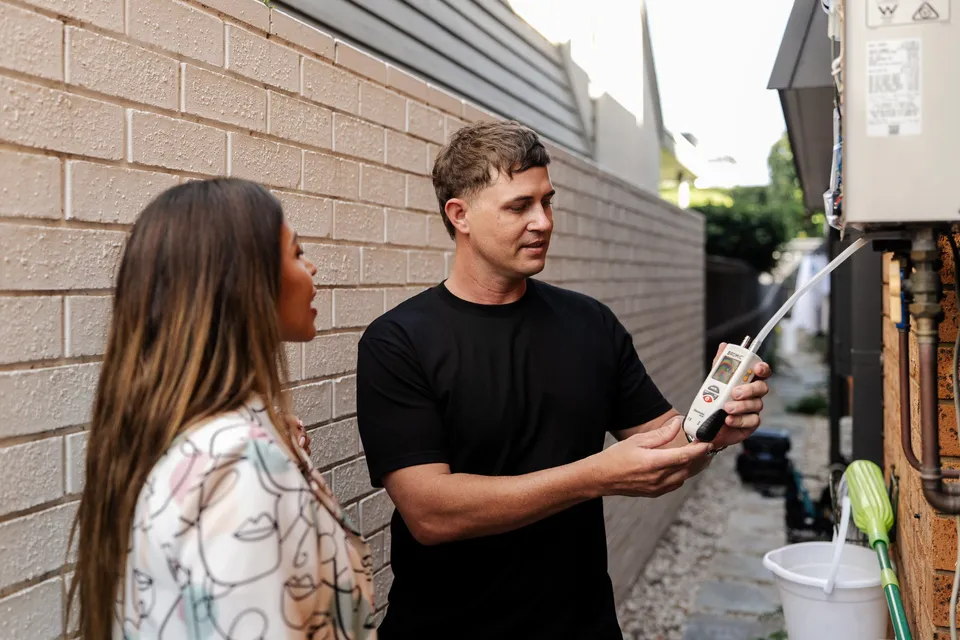
Keep repairing while the pipe wall is still good and the leak came out of nowhere; switch to replacing once the same run keeps springing leaks. Brown water at the tap, or flow that drops at every outlet together, pushes the same way. Galvanised steel is one culprit; copper assembled with lead-based solder before 1989 is the other.
Galvanised steel has a zinc layer over steel, and that layer rusts away from within. Rust inside the pipe brings leaks, discoloured water and a bore that narrows, so the line carries less each year.
A run is failing, not one fitting, when you see:
- another leak on the same stretch, after the last one was fixed
- brown water first thing in the morning
- pressure that sags house-wide rather than at one fixture
- copper bolted straight onto galvanised lengths
A single failed joint on its own is a repair, and our burst pipe repairs page covers that path. When the signs stack up, a repipe costs you less grief than a lifetime of patching.
What the Owner Should Receive After a Repipe
You should finish the job holding a copy of the Form 4, because this work sits in the notifiable category when the building already exists. No council permit applies, and only a licensed plumber may do it. The plumber lodges the Form 4 with the QBCC within 10 business days, and the board records it against your address.
Your rights as an owner reach further than many people realise:
- request your Form 4 copy from the QBCC if one never reaches you
- search the QBCC's online registers for the plumber's licence and for notifiable work filed at your address
- ask council for an inspection whenever you want one during the job
- for twelve months after the QBCC gets the completion notice, council can send an inspector, provided you agree, to check the work against the code
Missing paperwork, or work that looks defective or unlicensed, can go to the QBCC as a complaint through its online plumbing form. Unit and apartment owners should raise the job's category with the plumber at the start, since some of those jobs need a council permit instead.
Pipe Materials a Repipe Can Use
Copper and cross-linked polyethylene, usually written PEX, are the two standard replacement pipes, and where each run travels decides which one fits. Whatever is installed has to be a product the plumbing Act approves, and the finished job must meet the code.
Each material suits different conditions:
Copper
rigid metal, suited to straight runs you can see and reach
PEX
flexible plastic, bends around framing and trims the joint count
No lifespan figures appear here, because none are sourced for Australian conditions. The right answer for your place depends on the runs, the access and the fixtures, and the fixed quote sets out exactly what goes where.
What Happens During a Whole-House Repipe
- 1

Inspect and map
The plumber walks every run, deciding which pipes come out and which stay, and opens access in walls, under floors or in the subfloor.
- 2

Plan the staging
You agree on whether the repipe happens in one round or stage by stage, and the fixed quote is set before anything opens.
- 3
Build and connect
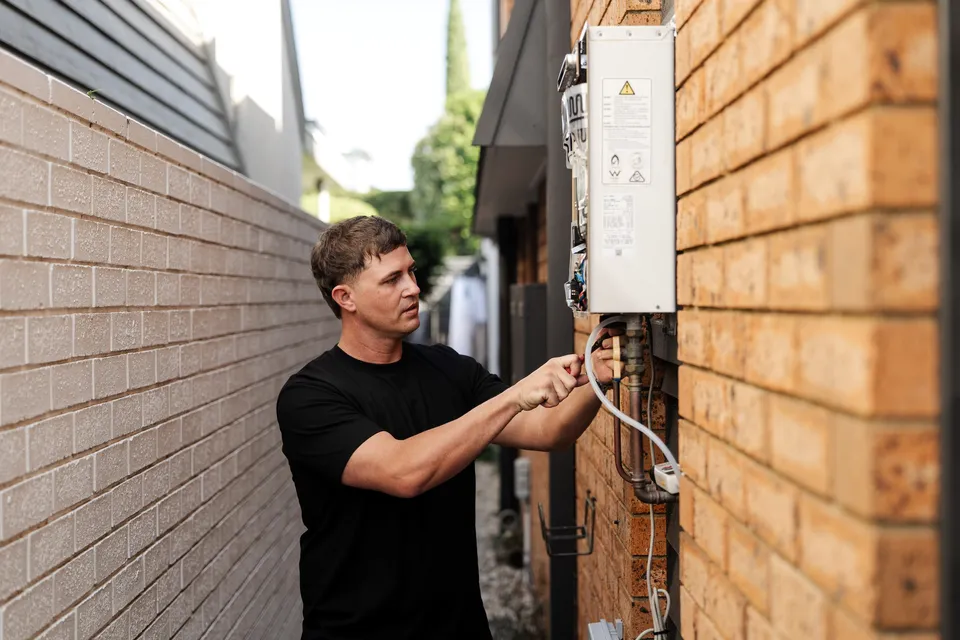
The new line is assembled next to the old, then the supply is closed while the plumber ties it in at the meter and each fixture.
- 4

Test and hand over
The new pipework is checked for leaks before the walls close, and your Form 4 copy comes with the handover.
Plumbing job in Banyo?
$0 call-out fees, available 24/7, and same-day where we can.
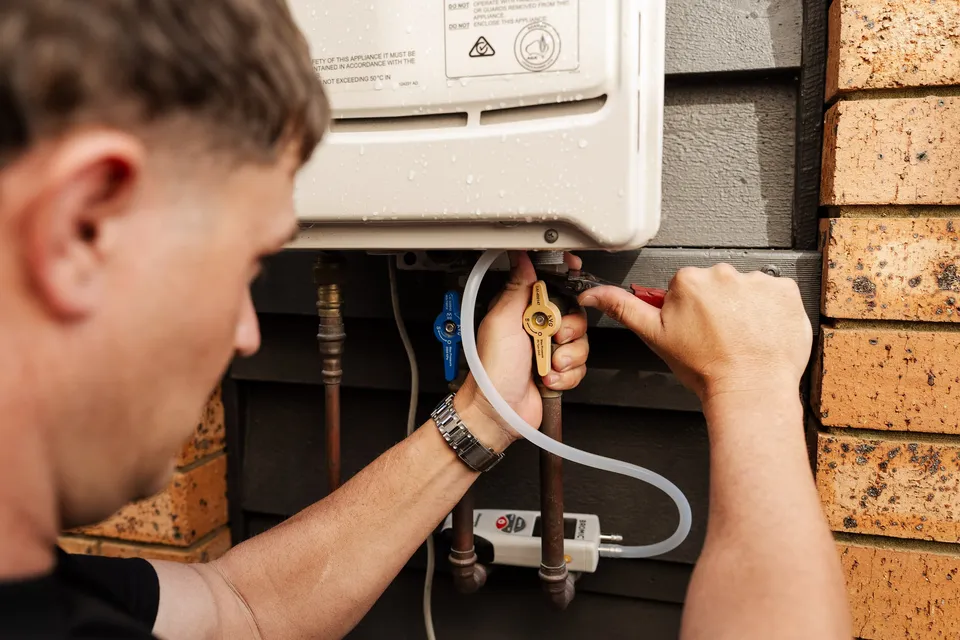
Old Supply Lines Around the Station
The pre-1947 weatherboard houses near the station, along streets such as Froude Street, carry the oldest supply lines in the suburb. Their galvanised service pipes let go at the threaded joints first, and in ground that never dries out, the giveaway outside is often a soft green patch rather than water on a floor.
Hot water tanks bolted into far older pipe are common there too, so a tank changeover often pulls the supply lines into the job. Where a renovation has spliced copper straight onto galvanised, the mixed joint tends to weep inside the wall where nobody checks. If damp or a mystery bill suggests water escaping out of sight, leak detection traces it before any pipe comes out; single-run fixes sit on our water pipe repairs page.
How Our Repipe Visits Run
- 1

Call or message us
Ring (07) 3523 6417 or use the form and describe what's going on in Banyo. A few details up front mean the right gear comes on the first trip.
- 2
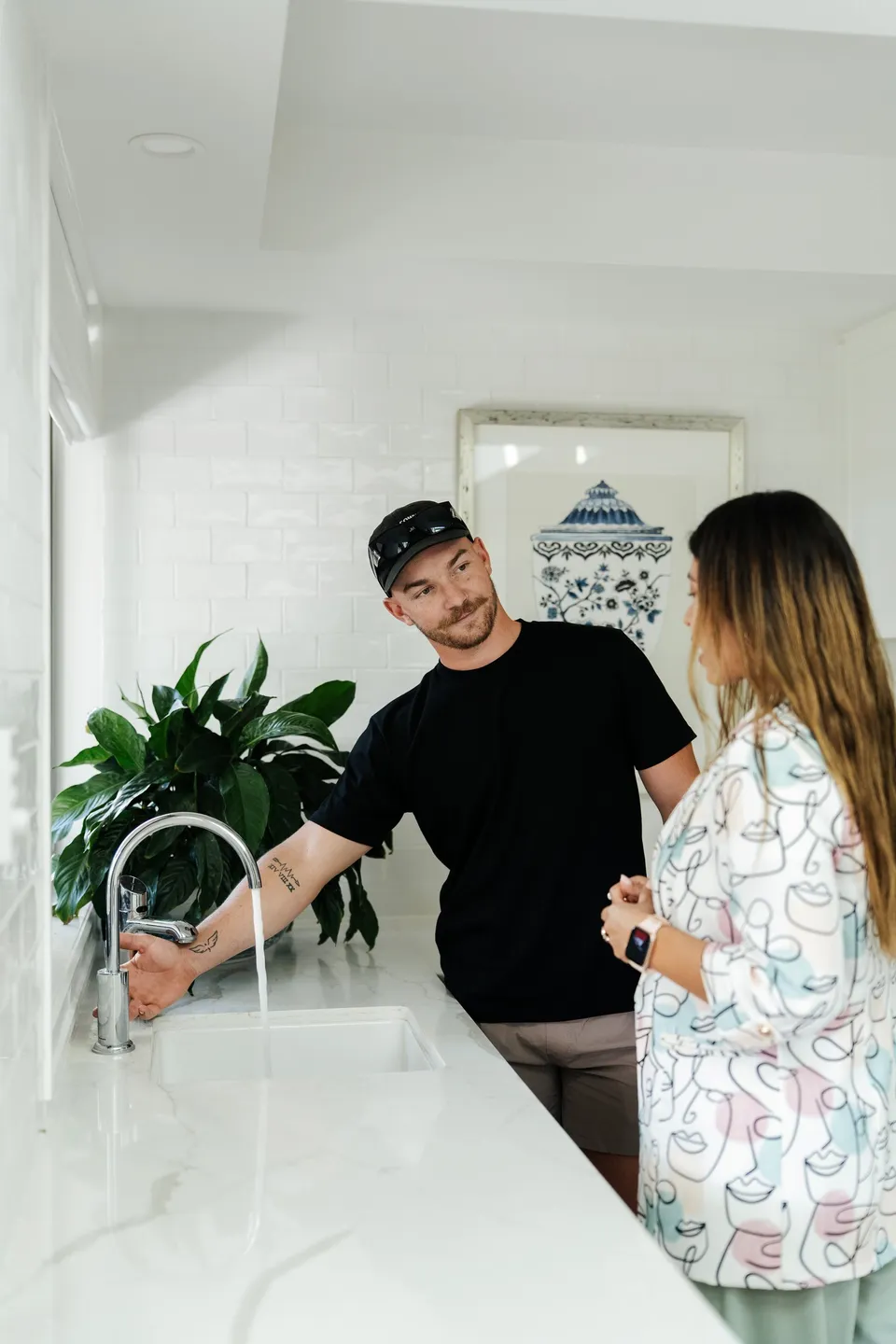
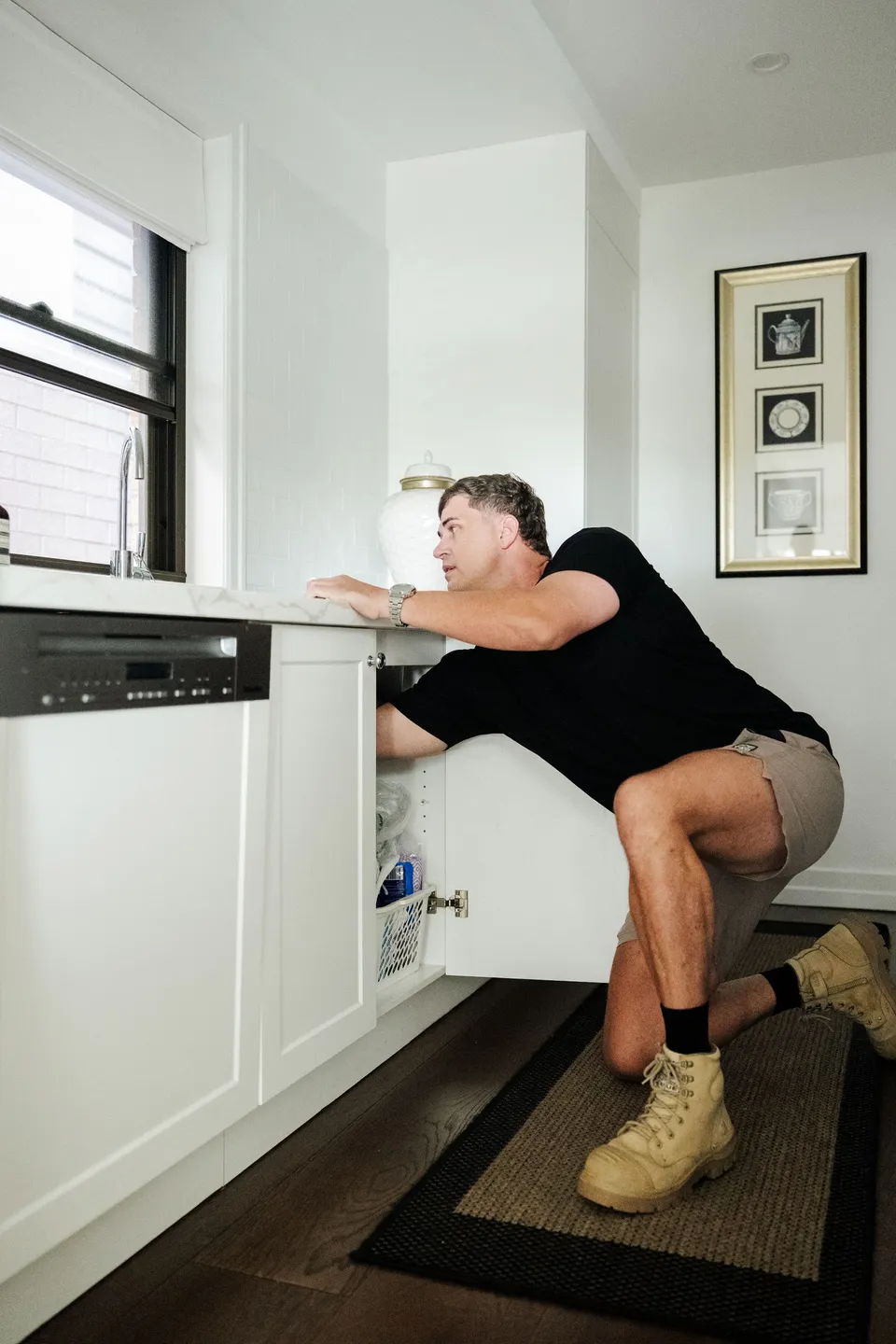
Walk the house and map the runs
A licensed plumber walks through, checks which runs still have life in them and where new pipe will travel, and talks through staging the job room by room if that suits. The plan and the quote are yours before work begins.
- 3
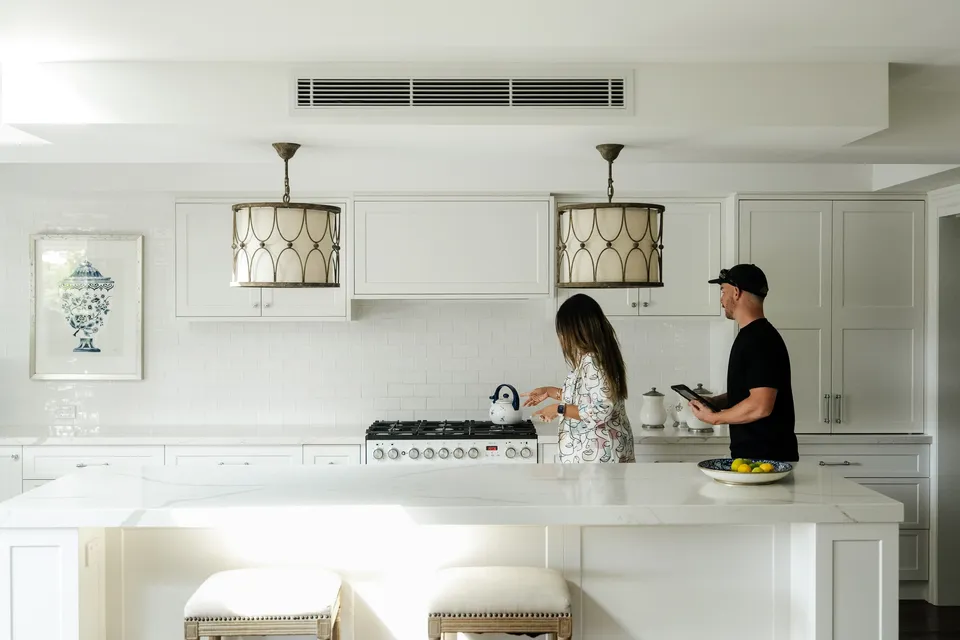
Fixed quote, then the work
We give you a fixed quote before any work starts. It's flat-rate pricing with no hidden fees, and we only start once you approve it.
- 4
Settle up your way
Card and EFTPOS payment on site when the job's finished, or Fix now, pay later if that suits you better.
Repiping Questions From Banyo
Call (07) 3523 6417How do I know if my Banyo house needs new water pipes?
Watch for leaks that keep coming back on one run, rusty-coloured water from the taps, and flow that fades at every outlet together. Galvanised steel, or copper with pre-1989 lead-soldered joints, is the usual background. A licensed plumber inspects to confirm.
Does repiping a house need a permit in Queensland?
No, a council permit is not needed for a house that already exists, because this is notifiable work rather than permit work. Your plumber files the Form 4 with the QBCC within 10 business days and gives you your copy. Unit owners should ask the plumber to confirm which category applies.
Can I replace my own water pipes?
No, you cannot, because a full repipe is notifiable work and even a single pipe repair is minor work, and a licensed plumber must do each. The QBCC's unregulated list is short and leaves out all pipework.
What materials replace old galvanised pipes?
Copper and cross-linked polyethylene (PEX) are the standard choices, and where each run travels decides which fits best. Everything fitted has to be a product approved for plumbing under the Act. No single material suits every house.
What affects the cost of repiping a Banyo house?
Two things dominate: the metres of pipe the job needs and how many fixtures have to be tied back in, with access through wall, floor and subfloor cavities close behind. A fixed quote before any work starts confirms the price, with flat-rate pricing and no hidden fees.

Call Us About the Old PipesWe'll call you back.
Phone (07) 3523 6417 for a licensed plumber in Banyo. We work under QBCC No: 15024607, with flat-rate pricing, no hidden fees and same-day where we can.
To claim your $0 call-out fee, call (07) 3523 6417 today.